Life The Game
Life The Game is a free hypercasual browser game you can play on desktop or mobile where you navigate through different stages of life—from childhood to adulthood—by completing quick minigames that decide whether your life turns out great or falls apart. Each life stage throws a different challenge at you: manage a burger joint, ace a study session, solve travel puzzles, or keep a musical rhythm g
Your First Minutes
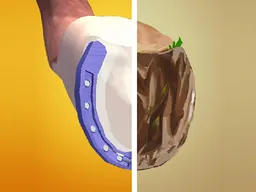
When you start Life The Game, you're dropped straight into your birth. Within seconds, the game shows you a simple scenario—your first real challenge before you even hit school age. The screen is bright and uncluttered, and the game immediately communicates what you need to do through visuals alone. You don't read a rulebook; you just react. This is the core loop: a scenario appears, you've got maybe five to ten seconds to perform an action or make a choice, and then the game either pushes you forward or ends your life right there. In those first couple of minutes, you'll probably fail at least once. That's intentional. The game is showing you that every stage matters and that speed plus accuracy are what keep you alive through the journey. By the time you're past the first three or four stages, you've already seen the game's rhythm: intense bursts of activity separated by brief transitions.
Main Mechanic
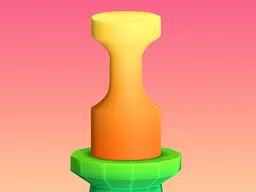
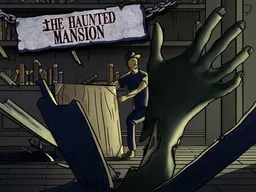
Life The Game stacks minigames on top of a simple premise: make it from birth to old age without losing all your health. Each life stage assigns you a different minigame that tests reflexes, timing, or quick thinking. Burger Madness has you prepping and serving food fast; Study Session makes you answer or solve things under pressure; Travel Puzzles require you to match or arrange pieces quickly; Rainbow Melody asks you to tap or click in sync with a beat or pattern. You're not playing the same minigame repeatedly—the game cycles through different activities, so there's no way to master just one approach and cruise through. Your performance in each minigame determines whether you gain health, stay neutral, or lose it. Lose too much health and your life ends, sometimes abruptly. The progression is linear: you move through life stages one after another, and there's no way to skip ahead or go backward. This creates mounting pressure because you know you're already partway through your life, and one fumble could cut everything short.
Controls
The controls are stripped down to the essentials. On desktop, you tap with your mouse cursor or press keys depending on what the minigame demands—usually arrow keys or number keys for quick inputs, but the game tells you what to do in each scenario. On mobile, you tap the screen directly, often multiple times or in specific areas. The beauty of Life The Game is that it adapts the same controls to any device because the minigames are designed around simple input: tap, click, swipe, or press. There's no complex combo system or button remapping needed. When a new minigame loads, the game shows you the control scheme for that specific challenge, so you're never confused about what button to press. Response time is critical though—a half-second delay can cost you the minigame.
Mistakes Everyone Makes
The biggest trap in Life The Game is trying to coast. New players see the bright, casual art style and think it's forgiving, then panic when a minigame appears and they've never practiced the timing. Hypercasual games are deceptive that way—they look easy until you're actually in them. Another common mistake is assuming the same strategy works for every stage. Some minigames reward speed; others need precision. Rushing through Burger Madness might work, but the same frantic approach tanks you during Travel Puzzles, which require patience and accuracy. New players also don't realize how quickly health drains. You might think you've got plenty of room for error, but three or four bad minigames in a row add up fast, and suddenly you're scrambling to save your run. The third mistake is not paying attention to the minigame instructions when they appear. The game gives you maybe two seconds to read what's being asked, and if you miss it, you're guessing. If you're guessing, you're probably losing.
When It Gets Hard
Life The Game doesn't get hard gradually—it gets hard immediately because you're managing four different minigame types with completely different mechanics, and the game throws them at you in random order. Around the halfway point of your life, you're juggling muscle memory for multiple games while also trying not to mess up. The health economy tightens too; early game mistakes feel survivable, but later stages leave no margin for error. A single bad minigame when you're three-quarters through your life can end the whole run. The unpredictability becomes the real challenge. You never know what's coming next, so you can't get into a rhythm and relax. Just when you think you've nailed Study Session, the game throws Burger Madness at you and demands a completely different speed and focus. This is where the game separates people who can adapt from people who get frustrated and restart. The stages also seem to expect you to know the mechanics already, which means if you're new, the difficulty spike can feel unfair until you've done a few runs and internalized how each minigame operates.
How to Actually Improve
The key to improving at Life The Game is accepting that you're going to fail and treating each run as practice, not a final performance. Pay close attention to what each minigame looks like when it loads—spend a mental note on the visual setup because that tells you which game you're about to play. If it's Burger Madness, you're prepping food, so your brain needs to shift into fast-mode. If it's Rainbow Melody, you need patience and timing. Learn the rhythm of each minigame individually before worrying about stringing them together. Play multiple runs in a single session so you see variety—one run might show you Burger Madness three times, but the next run might only show you one. Over time, you stop panicking when a new minigame appears because you've already seen how each one works. Stop playing when you notice your focus dropping. Hypercasual games like this one punish lack of attention, and fatigue kills runs faster than anything else. Finally, watch what health thresholds feel dangerous—once you know how much damage each game type can do, you can manage your expectations better and not take unnecessary risks early when they don't matter.
What to Expect After an Hour
After about an hour of playing, you'll have seen all four minigames multiple times and understand how each one works. The game will stop feeling random and chaotic; instead, it'll feel like a test of your reflexes and adaptability. You'll have completed at least a few full runs from birth to old age, and you'll know which minigames tend to be your weak spots. You might beat the game once and feel like you've conquered it, but then you'll realize the randomness means every run is different—there's no single 'correct' way to play that guarantees victory. That's when people either love this game or get bored with it. If you like quick, intense bursts of gameplay that are over in ten to fifteen minutes, Life The Game keeps you coming back. If you need progression, levels, unlocks, or a story that builds over time, you'll feel like you're just repeating the same loop. The game is honest about what it is: a hypercasual experience that's designed to be played in short sessions, not binged for hours. After an hour, you understand the complete game. The question is whether you want to keep chasing higher scores and faster completion times, or if you're ready to move on to something else.
Controls
Keyboard and mouse
- Click or tap with mouse cursor to interact with minigames
- Use arrow keys or number keys for quick input prompts (varies by minigame)
- Follow on-screen instructions for each stage
Touch
- Tap the screen to interact or make selections
- Swipe if the minigame requires movement or direction input
- Tap multiple times or in sequence depending on the current challenge
FAQ
- What exactly is the goal in Life The Game?
- You're trying to survive from birth through old age by completing minigames at each life stage. Each minigame you complete either adds, maintains, or reduces your health. If your health hits zero, your life ends and the game is over. Complete enough stages without dying and you finish one full life cycle.
- Are all the minigames the same or do they change?
- They're different. The game includes Burger Madness, Study Session, Travel Puzzles, and Rainbow Melody. Each one has its own rules, speed requirements, and control scheme. The game rotates through them randomly, so you'll face a mix of all four during a single run through life.
- Is this game free to play in my browser?
- Yes. Life The Game is completely free and plays directly in your browser on both desktop and mobile. You don't need to download anything or create an account.
- How long does one full game take?
- A typical run from birth to old age takes about ten to fifteen minutes, depending on how long you survive. Beginners might flame out faster; players who know the minigames can stretch it longer.
- Can I play this on my phone?
- Yes. Life The Game is designed to work on mobile browsers just like it works on desktop. The touch controls are simple taps and swipes, making it easy to play on smaller screens.
- What happens if I die in the middle of my life?
- Your run ends immediately and you go back to the start. There's no saving progress halfway through a life. Each game is a fresh attempt from birth to death.
- Do I need to be good at games to enjoy this?
- No. Life The Game is designed for casual players. The minigames are simple and the difficulty comes from adaptation and timing, not complicated controls or strategies. New players can win runs within their first few attempts.
- Is there anything to unlock or collect?
- Life The Game focuses on the immediate gameplay loop without unlock systems or progression trees. Your only real goal is surviving as long as possible and seeing how far you can take your current life.
Similar games
More Hypercasual Games games →